The parties intend to implement joint investment projects.
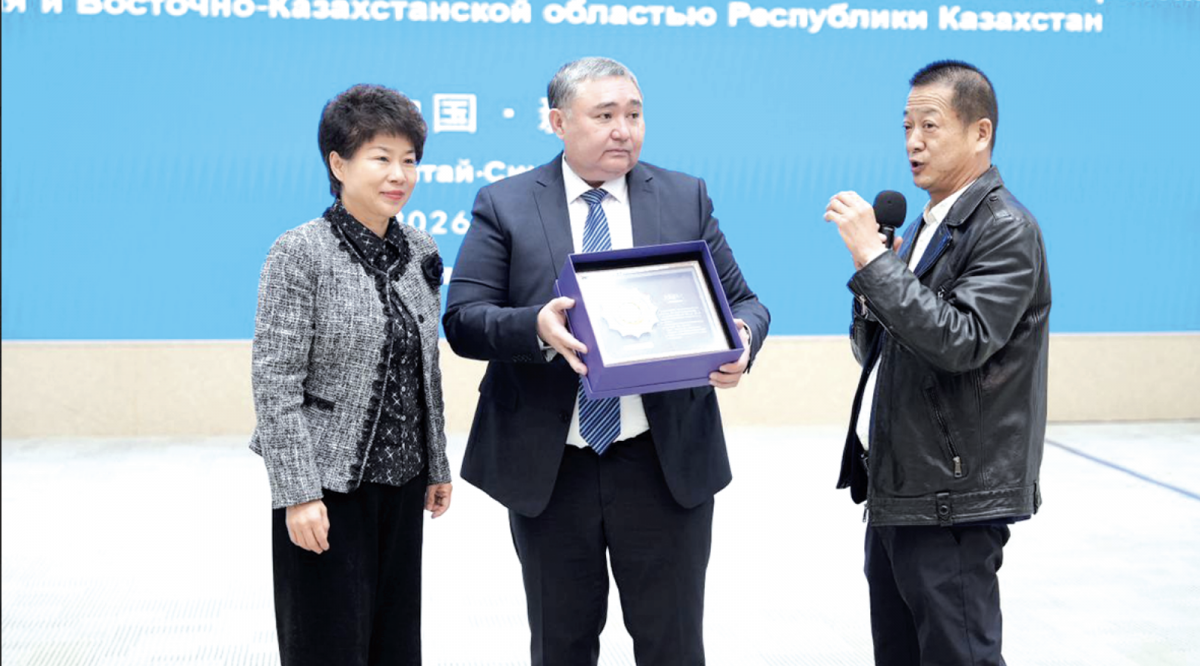
In early April, a delegation from the East Kazakhstan Region conducted a working visit to China, confirming the transition of interregional cooperation to a practical stage. At the core of the agenda were the tasks outlined by the Head of State during a meeting with the Akim of EKR, Nurymbet Saktaganov: attracting investment, and developing industrial cooperation, infrastructure, and tourism.
Key issues of interaction were discussed during a meeting between the Vice Governor of the Xinjiang Uygur Autonomous Region, Zhu Lifa, and the Deputy Akim of EKR, Bakytzhan Bayakhmetov, who led the delegation. The parties paid special attention to the development of transboundary tourism, including the expansion of air service between Urumqi and East Kazakhstan, as well as trade issues and the functioning of border crossings.
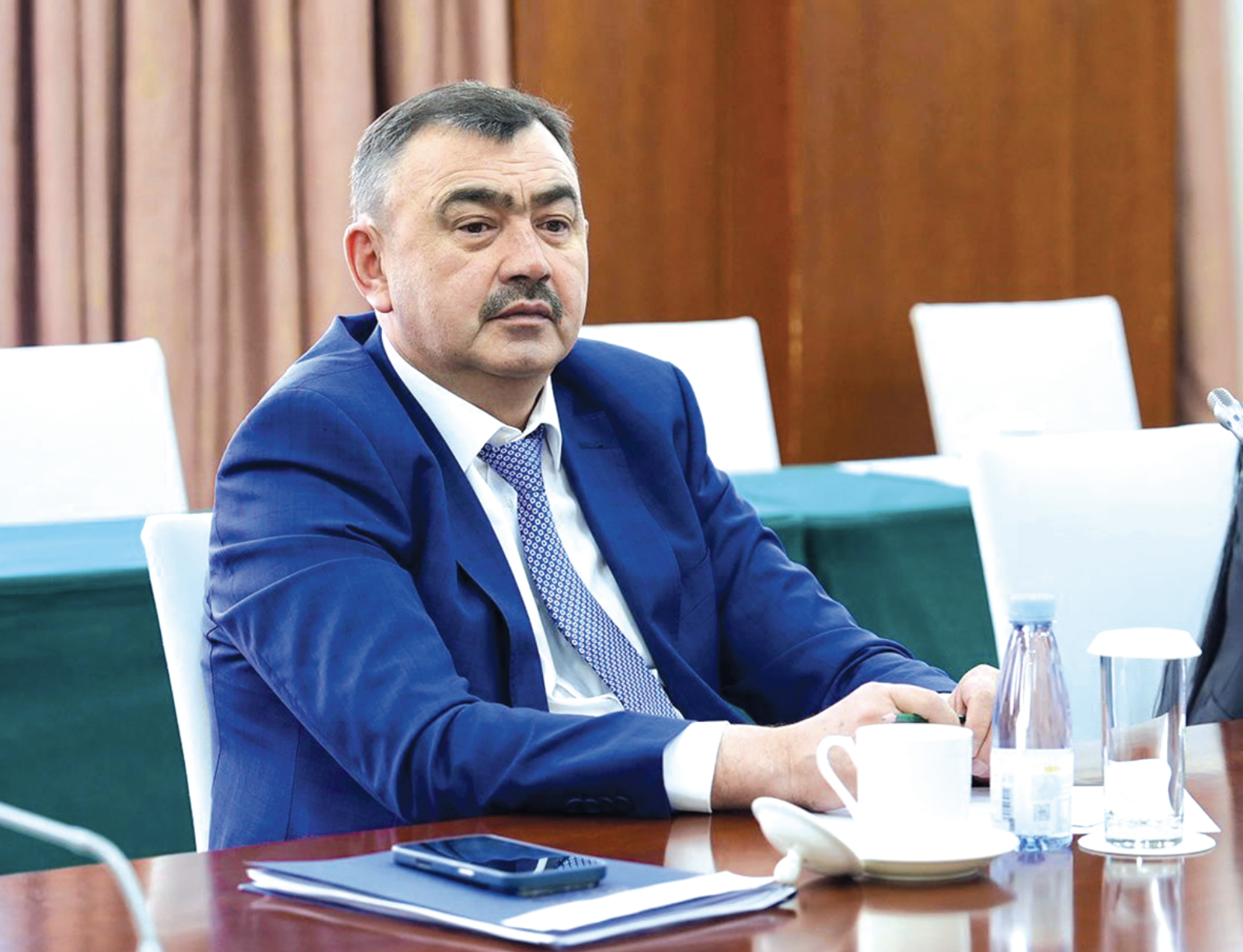
Photo: LITER newspaper
As Bakytzhan Bayakhmetov emphasized, the trust-based dialogue at the level of the leaders of the two countries—Kassym-Jomart Tokayev and Xi Jinping—creates favorable conditions for expanding trade, economic, investment, and humanitarian cooperation. EKR, as a strategically important border region, is already experiencing the practical results of this partnership. Trade turnover is increasing, joint projects are developing, contacts between business communities are expanding, and the flow of tourists is growing.
“It is crucial for Kazakhstan to develop infrastructure in the regions bordering the PRC. Therefore, measures are already being taken in EKR aimed at enhancing regional connectivity and transboundary logistics. New airports are being constructed in the Katon-Karagay and Zaysan districts. These projects are designed to ensure comfortable and safe travel for tourists, as well as to stimulate business activity and develop mutually beneficial cooperation with Chinese entrepreneurs,” noted the Deputy Akim of EKR.
A significant outcome of the visit was the signing of a memorandum of cooperation between EKR and XUAR. The document is aimed at attracting investment, increasing tourist flow, and implementing joint projects. The ceremony was attended by business representatives, including the head of the "Paseka" farm and the Tourism Council under the Chamber of Entrepreneurs of East Kazakhstan.
As part of the visit, the East Kazakhstan delegation held a series of B2B meetings, visited production sites, and engaged in industry discussions. The delegation familiarized themselves with the operations of a thermal power company that has implemented a digital control system: sensors in residential buildings record temperatures in real-time, with data sent to a centralized hub. This approach allows for prompt responses to fluctuations and is considered a promising model for implementation in EKR.
The development of border infrastructure remains a priority. The region is working to increase the throughput capacity of checkpoints and improve conditions for trade. Even today, simplified procedures and the visa-free regime are yielding results: an increasing number of tourists are utilizing the Zhimunai checkpoint, which is becoming an essential corridor for cooperation.
At the same time, new approaches to tourism are being shaped in EKR. One of the key projects is the creation of a transboundary route connecting Lakes Markakol and Kanas. Such a route could become a new international brand and enhance the tourist appeal of the East Kazakhstan region.
Alongside this, EKR representatives—including civil servants, entrepreneurs, and heads of key life-support enterprises in the region—studied experiences in modernizing road and service infrastructure.
High potential for cooperation persists in the mining and metallurgical complex. East Kazakhstan possesses significant reserves of non-ferrous and rare earth metals, opening opportunities for joint projects utilizing modern and eco-friendly technologies. Priority is given to deep raw material processing and the production of high-value-added goods.
Special attention was paid to scientific and technical interaction—exchange of experience, personnel training, and the introduction of innovative solutions. This area is viewed as vital for enhancing the competitiveness of enterprises and ensuring the sustainable development of the industry.
Promising directions include participation in the "Belt and Road" initiative, the development of mechanical engineering, agricultural processing, and green energy projects.
During the visit, the delegation visited a dairy production facility and a major road construction company in XUAR. Following the negotiations, a memorandum of cooperation in the field of road infrastructure was signed. Kazakhstani specialists from the EKR Road Administration studied modern construction technologies and solutions for rapid-assembly structures.
A number of significant events are planned for the current year, including the Kazakhstan-China Interregional Cooperation Forum and a conference on interaction in the Altai region. These platforms are expected to provide additional momentum to the development of business ties and the expansion of joint projects.
Today’s interaction between the East Kazakhstan Region and Xinjiang is being built systematically. The combination of industrial potential, logistical capabilities, and tourism resources creates a foundation for a long-term and mutually beneficial partnership.
Source: Редакция Liter.kz
Translation by: VisitEastKz